You must have heard about cold laser therapy somewhere, maybe your doctor suggested it, or you read about it online while searching for a solution to your chronic knee pain or back problem.
It sounds quite promising, doesn’t it? No surgery, no injections, no medicines, just a gentle laser light that helps your body heal itself.
But before you book that first session, it’s completely natural to ask, are there any side effects of cold laser therapy?
Don’t worry, we’ve got you covered. In this blog, we’ll explain everything in simple language, what cold laser therapy actually is, what side effects you might feel, who should avoid it, and how to stay safe. Let’s get started.
What Is Cold Laser Therapy?
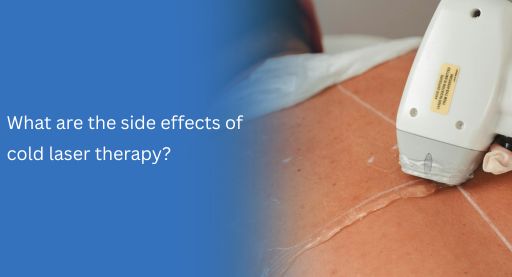
Cold laser therapy, also called low-level laser therapy (LLLT), uses low-power laser light to go deep into your skin and help your body’s cells repair themselves faster.
It doesn’t burn or cut the skin. That’s why it’s called “cold”, there’s no heat involved at all.
In India, you’ll find this treatment at good physiotherapy clinics, sports injury centres, and some orthopaedic hospitals. It’s commonly used for:
- Joint and muscle pain (knee pain, shoulder pain, back pain)
- Sports injuries and ligament sprains
- Nerve pain and numbness
- Non-healing wounds and skin problems
- Arthritis and inflammation
It’s generally considered a very safe treatment, but “safe” doesn’t mean you should go in without knowing the full picture.
Common Cold Laser Therapy Side Effects
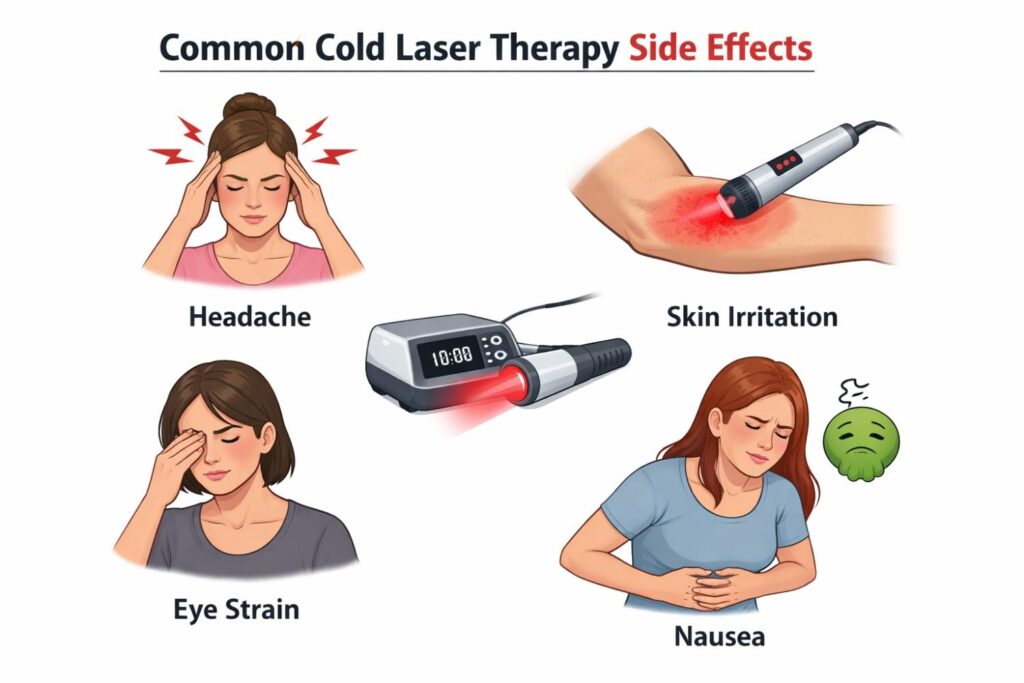
Good news first, most people in India who take this therapy feel absolutely fine during and after the sessions. But a few people do experience some mild reactions, especially in the beginning.
Mild Soreness in the Treated Area
After your session, you might feel a light, dull ache in the area that was treated. It’s similar to how your muscles feel sore after a good workout or a deep massage, it’s your body responding to the treatment.
This soreness usually goes away within 24 to 48 hours on its own.
Skin Redness or Slight Warmth
Some people notice a little redness or warmth on the skin where the laser was applied. This is actually a sign that blood circulation has increased in that area, which is exactly what the therapy is supposed to do.
It fades away within a few hours. Nothing to worry about.
Feeling Tired After the Session
A few patients, especially those taking therapy for full-body pain, feel slightly tired or low on energy after the session. Think of it like how you feel after a long physiotherapy session. Rest for a while, drink some water, and you’ll feel fine.
Less Common Side Effects You Should Know About
These don’t happen with everyone, but it’s good to be aware:
Mild Dizziness
Some people feel slightly dizzy or lightheaded after the session, especially if the therapy was done near the neck or head area. It usually passes quickly, but if it doesn’t, inform your therapist right away.
Temporary Increase in Pain
This might sound strange, but some patients feel a small flare-up of pain before they start getting better. Doctors call this a “healing response”, it means your body is reacting to the treatment.
However, if this increased pain lasts more than 2 to 3 days, please go back to your therapist and get it checked.
Skin Sensitivity
If you have sensitive skin, or if you’re taking certain medicines like some antibiotics or blood pressure tablets, your skin might become a little more sensitive to light during this period. Always tell your therapist about all the medicines you are taking, even home remedies or Ayurvedic supplements.
Who Should Not Take Cold Laser Therapy?
This treatment is not suitable for everyone. Please avoid it, or take proper medical advice first, if you fall into any of these categories:
- Pregnant women — especially avoid treatment on the stomach or lower back
- Cancer patients — laser should never be used on or near a tumour
- People with epilepsy — light-based treatments can sometimes trigger seizures
- Those with a pacemaker — avoid laser near the chest area
- Children — using laser near growing bones is generally not recommended
Always go to a qualified and registered physiotherapist or doctor for this treatment. In India, unfortunately, some unqualified clinics also offer laser therapy, be careful and check credentials before starting.
Simple Tips to Stay Safe During Cold Laser Therapy
Follow these easy steps to make your experience safe and effective:
- Choose a certified physiotherapist or clinic – check their qualifications and experience
- Tell them about all your health conditions — diabetes, thyroid, skin issues, anything
- Share your complete medicine list — even vitamins and supplements
- Always wear the protective goggles they give you — this protects your eyes from the laser
- Drink plenty of water before and after your session — it helps the healing process
- Don’t skip sessions — cold laser therapy works best when done regularly as advised
FAQ: Cold Laser Therapy Side Effects
Q1: Is cold laser therapy safe?
Yes, it is considered very safe when done by a trained and qualified professional. Millions of people worldwide, including in India, use it regularly without any major problems.
Q2: Can cold laser therapy cause any permanent damage?
No. There is no scientific evidence that low-level laser therapy causes any permanent harm to the body or nerves. In fact, it is often used to help nerve repair.
Q3: How many sessions will I need before I see results?
Most patients start noticing improvement after 6 to 10 sessions. This can vary depending on your condition and how well your body responds to the therapy.
Q4: Can I go to work or drive after a session?
Yes, for most people that’s completely fine. But if you feel dizzy or very tired after a session, rest for some time before driving.
Q5: Is cold laser therapy available in small cities in India?
Yes! Many cities like Pune, Jaipur, Lucknow, Ahmedabad, Bhopal, and Chandigarh now have good physiotherapy clinics offering this treatment. Just make sure you choose a qualified provider.
Conclusion
So, to sum it up, cold laser therapy side effects are mostly mild, short-lived, and manageable. For the large majority of patients, the benefits, less pain, faster recovery, better movement, are well worth it.
But every person’s body is different. What works well for your neighbour may need some adjustments for you. That’s why talking to a good, qualified physiotherapist before starting the treatment is the smartest thing you can do.
If you found this blog helpful, share it with someone who might be considering this therapy. And if you have any questions, drop them in the comments, we’re always happy to help.
Take care of your health, it’s your biggest wealth!