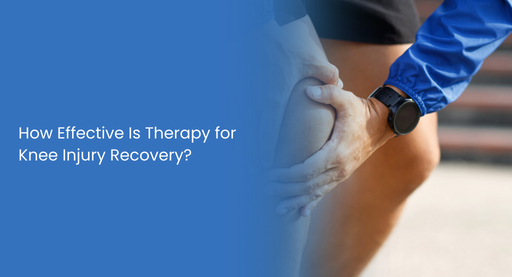
Ah, knee pain, nothing slows you down quite like it, right? You twist it, overwork it, or just wake up feeling stiff, and suddenly your day feels impossible. If you’re asking, “Is physical therapy worth it for knee pain?” or “What is the fastest way to relieve knee pain?”, you’re in the right place. Recovery isn’t about magic; it’s about moving smartly, doing physiotherapy exercise for knee pain, and knowing which moves to avoid.
Therapy for knee injury isn’t just another appointment; it’s your roadmap back to walking, running, and living pain-free. With the right guidance, even knee-strengthening exercises at home can make a huge difference. Plus, a session with a chiropractor in Delhi can tailor exercises to your exact injury for faster, safer recovery.
Understanding Knee Injuries
Knee injuries come in all shapes and sizes:
- Ligament tears (ACL, MCL, PCL)
- Meniscus injuries
- Tendon inflammation
- General swelling or strain
Knowing your injury helps you choose the right therapy. That’s why asking, “What is the best therapy for knee injuries?” is crucial; you need the right plan, not guesswork.
Is Physical Therapy Worth It?
Absolutely. Physical therapy doesn’t just ease pain temporarily; it strengthens your knee for the long haul. Key benefits include:
- Reducing swelling and discomfort
- Restoring range of motion
- Strengthening muscles around the knee
- Preventing future injuries
Even knee-strengthening exercises for knee pain done at home are more effective when paired with expert guidance, which a chiropractor in Delhi can provide.
When to Start Physical Therapy
Timing is critical. Start too early, and you risk worsening the injury; start too late, and stiffness sets in. Here’s a simple breakdown:
- First 48-72 hours: Rest, ice, compression, elevation (RICE)
- Early phase: Gentle mobility exercises like straight leg raises
- Full therapy phase: Strengthening exercises for ligaments and joints
Therapy Approaches That Actually Work
The right therapy combines several methods:
- Manual therapy: Guided movements to restore flexibility
- Strength training: Targeted exercises for knee muscles and ligaments
- Balance and stability exercises: Prevent re-injury
- Low-impact cardio: Cycling or swimming to maintain fitness without stressing the knee
Combining these approaches ensures comprehensive healing.
Top Exercises for Knee Pain
Here’s a practical list of exercises to include:
- Quadriceps sets – tighten thigh muscles while seated
- Straight leg raises – strengthen without bending the knee
- Hamstring curls – controlled movements for support
- Mini squats – partial squats to enhance stability
- Step-ups – low-impact strength builders
- Heel slides – improve knee flexibility
- Side-lying leg lifts – strengthen supporting muscles
- Bridges – glutes and core support
- Balance exercises – reduce re-injury risk
- Calf raises – lower leg support
Avoid knee pain exercises, like deep squats or high-impact jumps, in the early recovery stage.
Strengthening Knee Ligaments
Ligaments need slow, steady work. Focus on:
- Controlled knee strengthening exercises at home
- Gradual resistance using bands or light weights
- Consistency over intensity
Just like chiropractic for shoulder pain helps strengthen and stabilize the shoulder joint safely, these knee exercises prevent re-injury and stabilize your knee joint.
What to Avoid During Therapy
Recovery isn’t just what you do; it’s also what you don’t do:
- Avoid high-impact sports too soon
- Don’t skip warm-ups or stretching
- Avoid improper form in exercises
- Don’t push through sharp pain
Following these rules ensures your therapy works and speeds up recovery.
Extra Tips for Faster Recovery
Small tweaks at home make a big difference:
- Ice or heat as needed
- Gentle walking or stationary cycling
- Short, frequent exercise sessions
- Proper diet to support joint health
Combine these with your 10 exercises for knee joint pain, and you’ll see improvement faster.
Conclusion: Therapy Works, When Done Right
So, how effective is therapy for knee injury? Very—when done consistently and smartly. From physiotherapy exercise for knee pain to knee strengthening exercises for knee pain, the right plan restores mobility, reduces pain, and prevents setbacks. If you’re serious about recovery, consulting a chiropractor in Delhi can give you a tailored roadmap and clear guidance. In fact, Delhi Chiropractic Care: How Chiropractic Treatment Works focuses on improving joint alignment, reducing nerve pressure, and supporting faster healing—helping you understand when to start physical therapy after a knee injury and what to avoid during knee therapy. Start safe, stay consistent, and your knee will be back in action before you know it.